




“Flooring isn’t where you experiment,” says Joseph Okhotin, owner of California Floors USA.
“When it comes to what’s under your feet, people tend to stay classic — neutral colors, calm patterns, and durable materials that won’t feel outdated in a few years. Good flooring is an investment meant to last for decades, so timeless trends always prevail.”
We spoke with the design team at California Floors, specialists in premium wood and tile flooring for homes and commercial spaces across California and North Carolina, to explore the five biggest trends homeowners should know for 2025.
1. Natural Materials Take the Lead
Today’s homeowners are choosing real hardwood and porcelain tile over synthetic flooring. These materials are durable, easy to maintain, and naturally beautiful. Interest in synthetic products like luxury vinyl tile (LVT) is declining — not only because it’s made from polyurethane, but also because installation can be tricky, and it doesn’t age gracefully.
Natural materials, especially wood, remain the top choice for those who value healthy living and sustainable design. Hardwood fits perfectly into nature-inspired interiors and instantly adds warmth and elegance.
Modern technology allows almost any design to be achieved — from wide planks for open-plan living rooms to narrow herringbone patterns for dining areas or bedrooms. Thanks to precision manufacturing, the boards fit seamlessly together without thresholds or transitions.
Parquet flooring continues to be a favorite for creating unique geometric designs. Instead of using shiny lacquer, most homeowners now choose oil finishes, which bring out the natural texture and are easy to refresh without sanding.

2. Engineered Hardwood: The Modern Classic
Engineered wood flooring combines the warmth of natural wood with excellent stability — ideal for California’s dry climate and North Carolina’s seasonal humidity. The top layer is real wood (oak, maple, or walnut), while the core is made from multiple layers of plywood for durability and moisture control.
This structure prevents warping and makes the flooring suitable even for radiant heating systems, whether electric or hydronic. Professional installation is key: each plank’s tongue-and-groove system must be fully adhered to the subfloor for perfect alignment.
Oil finishes and eco-friendly sealants keep the surface smooth, matte, and warm to the touch. Even if water is spilled, it won’t leave a mark. Properly maintained, oiled hardwood floors can last generations — just like the 200-year-old pub floors still found in England today.
3. Porcelain Tile: Strong, Sleek, and Stylish
When it comes to bathrooms, kitchens, mudrooms, or patios, porcelain tile is unbeatable. It’s waterproof, heat-resistant, and tough enough to handle decades of wear.
The biggest design trend is large-format tile — the bigger, the better. Modern tiles often measure 32"×64", 48"×48", or even 10 feet long for dramatic, seamless coverage. Fewer grout lines mean a cleaner, more continuous surface that visually expands the room.
Smaller tiles and mosaics still have their place — often used for backsplashes, shower walls, or decorative accents.
Porcelain is especially popular among homeowners who install heated floors. In Southern California, radiant electric systems are often used under tile, while in North Carolina, hydronic systems powered by gas heating are common. This setup can maintain a comfortable indoor climate without bulky radiators.
New porcelain collections often replicate the look of natural stone, marble, travertine, or even concrete, giving homeowners the visual impact of stone with the durability and easy maintenance of tile.
4. Long Planks vs. Geometric Patterns
Design trends today split into two camps: minimalists who love long, continuous planks, and detail enthusiasts who prefer intricate geometric designs.
For modern, open spaces, designers often use extra-long boards, sometimes running the full length of a room — up to 40 feet long and 2 feet wide — creating an elegant, uninterrupted flow that enhances the sense of space.
Meanwhile, classic patterns like herringbone, chevron, and basket weave remain timeless. They add character, rhythm, and movement to interiors and are making a strong comeback in luxury residential and hospitality projects.
For high-traffic areas, white oak remains the gold standard — resilient, naturally beautiful, and capable of maintaining its look for decades, even under heavy use. Wide, unpainted planks with a matte oil finish are particularly popular in minimalist and Scandinavian-style homes.
5. Mixing Materials for Depth and Functionality
A growing trend in both California and North Carolina homes is the mix of materials and textures within one space.
For example, pairing wood flooring in living and dining areas with porcelain tile in entryways or kitchens achieves both practicality and warmth. The transition can be subtle and seamless when done correctly, creating visual interest without clutter.
This design flexibility is especially valued in open-concept homes and coastal properties, where spaces often flow into one another.
The All-in-One Design Approach
At California Floors USA, flooring is never treated as a standalone element. Instead, it’s part of a holistic design vision — where floors, walls, cabinetry, ceilings, and even staircases work in perfect harmony.
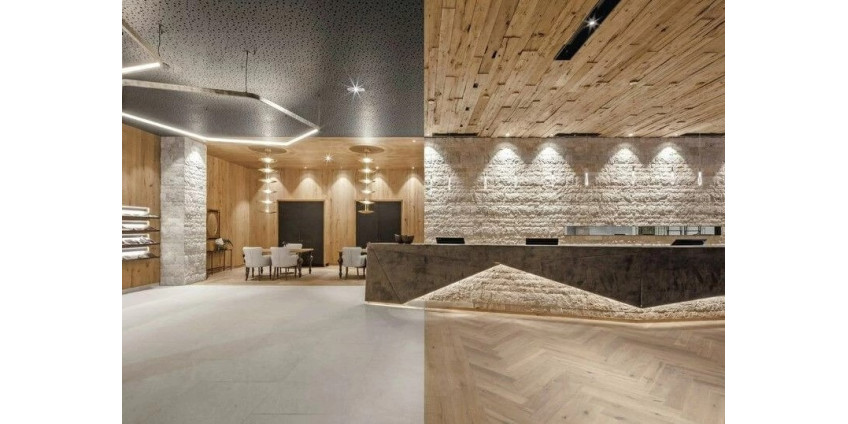
In premium projects like the Rosewood Hotel, our team designed and produced every wood component — from parquet flooring and panels to stairs — in matching tones and finishes. This cohesive approach creates an elevated sense of unity and craftsmanship that defines luxury interiors.
The Prestige of Quality
Choosing high-end flooring isn’t just about aesthetics — it’s an investment in comfort, durability, and the overall prestige of your home or project.
Whether you’re building a modern home in San Diego or renovating a classic estate in Charlotte, the principles remain the same:
- Choose natural, eco-friendly materials
- Invest in craftsmanship
- Think long-term
Because a beautiful floor isn’t just something you walk on — it’s the foundation of how your home feels and lives.